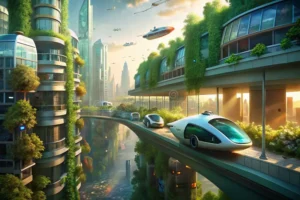

The term “metaverse” has shifted from a science fiction concept to a serious technological ambition. It represents a shared digital universe where people can work, play, socialize, and build economies all inside immersive virtual environments. Tech companies like Meta, Apple, and Microsoft are investing billions into creating interconnected worlds where virtual presence feels as natural as physical interaction.
Virtual reality (VR) and augmented reality (AR) serve as the gateways to the metaverse. VR offers complete immersion through headsets that transport users into digital realms, while AR overlays digital information onto the physical world. Together, they are shaping the foundation for a new digital economy.
The metaverse will change how we communicate, shop, and even learn. Imagine attending a global conference as a 3D avatar or exploring a virtual store where you can try products before buying them. It will also open new job markets in virtual architecture, 3D design, and digital fashion.
However, challenges remain privacy, data ownership, and mental health concerns must be addressed. If built responsibly, the metaverse could bridge global divides, creating a more inclusive and creative society. The blending of physical and digital worlds marks the next evolution of the internet an era of true digital embodiment.