Automation has become one of the defining forces shaping the modern workplace. From manufacturing lines to creative studios, machines are now taking over repetitive tasks and allowing humans to focus on higher-level decision-making. The rise of automation is not just about replacing human labor; it’s about enhancing human potential.
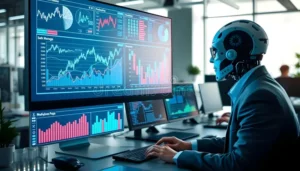
In industries like logistics, healthcare, and finance, automation systems powered by artificial intelligence can process data and make predictions faster than any human team. Routine paperwork, inventory tracking, and even customer service can now run autonomously. What once required a large workforce can now be handled by a few skilled operators overseeing intelligent systems.
However, automation’s true power lies in augmentation, not elimination. Employees who learn to collaborate with automated tools become more efficient and valuable. For example, marketers use AI-driven scheduling and analytics platforms to deliver campaigns with surgical precision. Healthcare professionals rely on automation for diagnosis, patient monitoring, and treatment optimization.
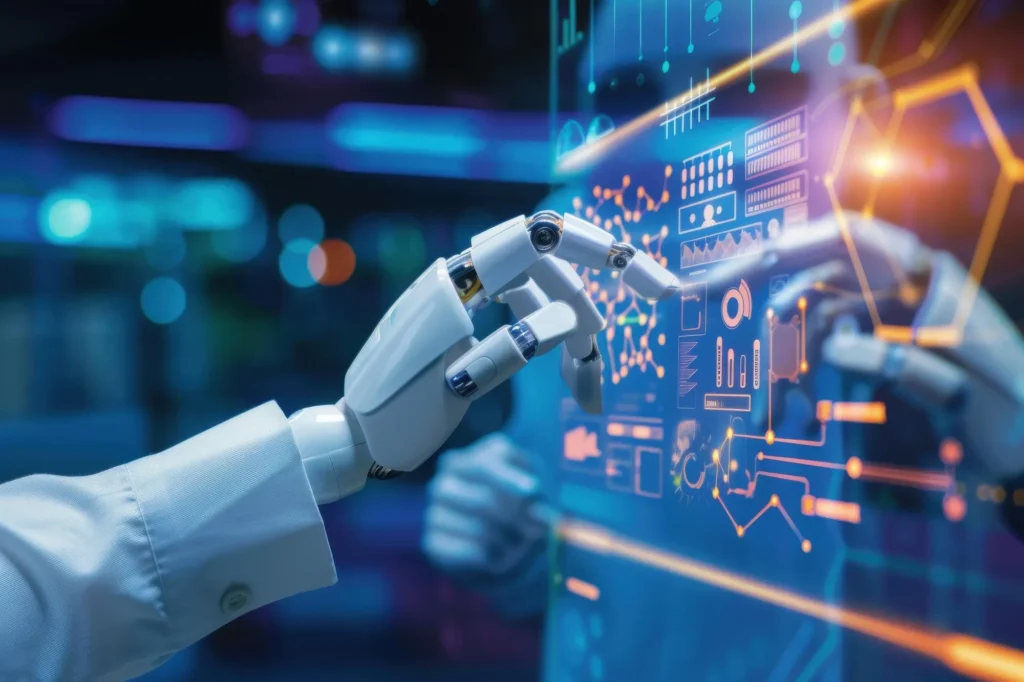
The global economy is shifting toward a hybrid model where humans and machines work side by side. Those who adapt will find automation not as a threat but as an opportunity to reach new levels of creativity, speed, and productivity.