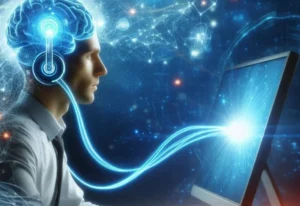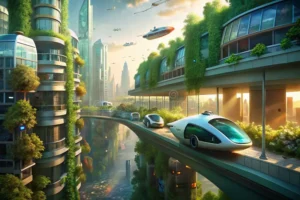
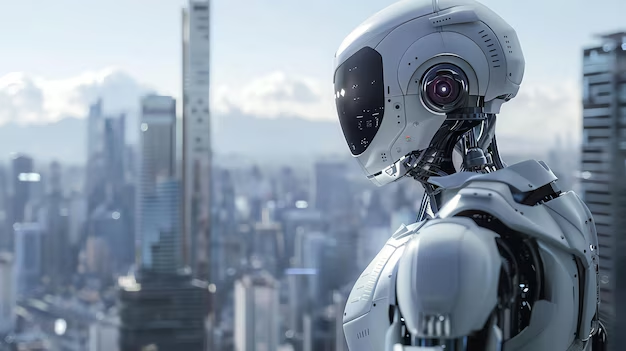
Artificial Intelligence has already begun shaping the future of human civilization, but the next few decades will redefine what it means to be human. As AI continues to advance in intelligence and autonomy, the question is no longer whether machines can think it’s how they will think alongside us. The integration of AI into everyday life will affect everything from education and healthcare to relationships and identity.
In the future, AI systems will likely evolve into digital companions, teachers, and advisors. Personalized AI tutors will help students learn in unique ways tailored to their cognitive patterns, while AI therapists will provide mental health support with empathy modeled on human emotion. Workplaces will be restructured, not around human labor, but around human creativity and judgment enhanced by machine precision.
The most profound transformation will occur in ethics and governance. Humanity must decide how much control to delegate to algorithms and how to ensure transparency in decision-making. The collaboration between human intuition and AI logic could produce a world where innovation is boundless, but the challenge will be maintaining moral balance. The future of humanity in an AI-driven world will depend on whether we treat AI as a servant, a partner, or an extension of ourselves.