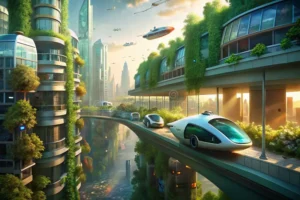
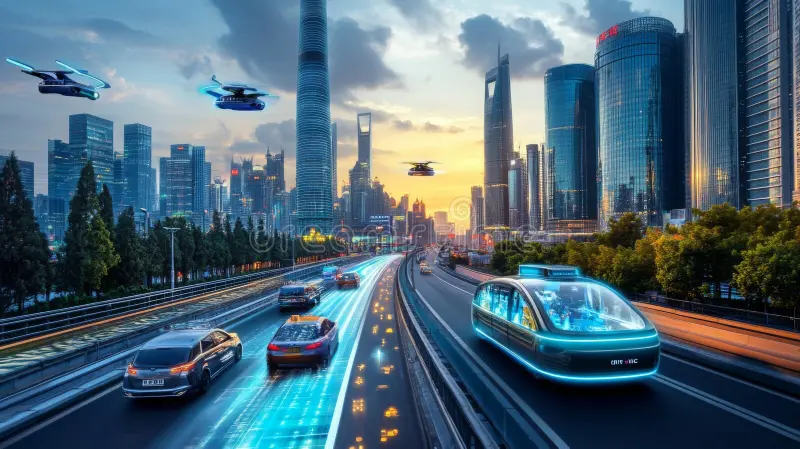
Smart cities are becoming the blueprint for future living. Powered by AI, IoT, and big data, these cities aim to make urban environments more efficient, sustainable, and livable. Smart infrastructure monitors air quality, traffic flow, and energy usage, responding dynamically to changing conditions.
Singapore, Dubai, and Seoul are leading examples, integrating real-time analytics for urban planning. AI-driven transportation systems reduce congestion, while smart grids distribute electricity efficiently. Citizens can access public services digitally, improving transparency and convenience.
Smart cities also promote sustainability. Automated waste management, green buildings, and intelligent lighting systems reduce energy consumption. The ultimate goal is to create cities that think for themselves balancing human comfort with environmental responsibility.