
The Future of Transportation: From Hyperloops to Flying Cars

The transportation revolution is underway. By 2050, travel will be faster, cleaner, and more autonomous than ever before. Technologies like hyperloops, electric aircraft, and self-driving cars are transforming mobility into an interconnected network of intelligent systems. Hyperloop systems, powered by magnetic levitation and vacuum tubes, will make it possible to travel between cities in minutes. […]
The Future of Energy: The Race Toward Fusion Power

ergy has always been the engine of civilization, and the search for clean, limitless power continues. Nuclear fusion the same process that powers the sun could become the ultimate solution to humanity’s energy crisis. Unlike traditional nuclear fission, fusion generates massive energy without radioactive waste or carbon emissions. Global initiatives like ITER in France and […]
The Future of Medicine: Genetic Engineering and Longevity

Medical science is entering an era where curing diseases may become less about treatment and more about prevention. The rise of genetic engineering and biotechnology is opening the door to a future where humanity can control its biological destiny. Scientists are already using CRISPR and other gene-editing tools to correct hereditary disorders, and soon, they […]
The Future of Humanity in an AI-Driven World

Artificial Intelligence has already begun shaping the future of human civilization, but the next few decades will redefine what it means to be human. As AI continues to advance in intelligence and autonomy, the question is no longer whether machines can think it’s how they will think alongside us. The integration of AI into everyday […]
The Rise of Quantum Computing: The Next Leap in Technology
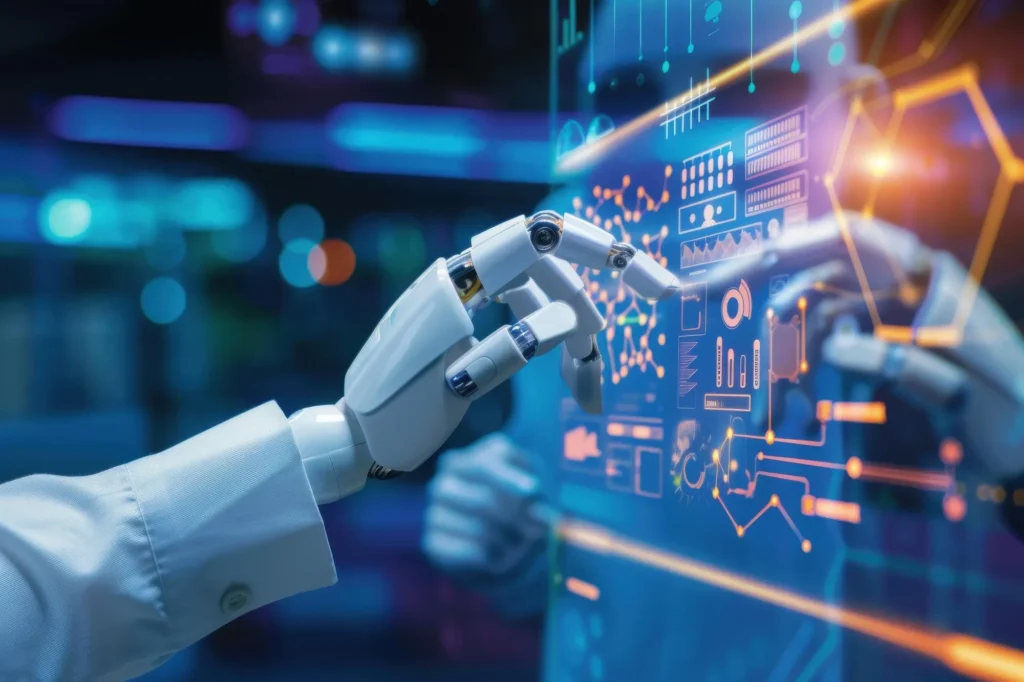
Quantum computing is no longer a distant dream; it is rapidly becoming one of the most transformative technologies of the 21st century. Unlike classical computers, which process information in binary bits of zeros and ones, quantum computers use qubits particles that can exist in multiple states simultaneously. This property, known as superposition, allows them to […]
How Automation Enhances Cybersecurity

With cyber threats increasing globally, automation has become essential for defending digital infrastructure. Modern cybersecurity systems now rely on AI to monitor, detect, and neutralize attacks in real time. These systems can identify anomalies, trace intrusions, and deploy countermeasures far faster than human teams could. Automation in cybersecurity is about speed and precision. When a […]
The Impact of Automation on Small Businesses

Automation isn’t just for big corporations it’s transforming small businesses too. Entrepreneurs are using automation tools to manage accounting, marketing, inventory, and customer service with minimal effort. Platforms like Zapier, HubSpot, and QuickBooks automate repetitive workflows, saving countless hours each week. This shift allows small business owners to focus on innovation and growth instead of […]
Automation in Healthcare: Saving Lives with Precision

Healthcare automation has made remarkable progress over the past few years. From robotic surgery to automated diagnostics, technology is redefining patient care and hospital management. Machines now assist doctors in detecting diseases earlier, performing surgeries more precisely, and managing patient data with near-perfect accuracy. Artificial intelligence systems can analyze medical scans and detect patterns invisible […]
The Human Side of Automation: Why Creativity Still Matters

As automation advances, a common fear is that machines will take over every aspect of work. However, the truth is more nuanced. Automation excels at efficiency but lacks imagination, empathy, and the ability to innovate. These qualities remain uniquely human and they are more important than ever in the age of automation. Machines can analyze […]
How Robotic Process Automation (RPA) is Transforming Businesses
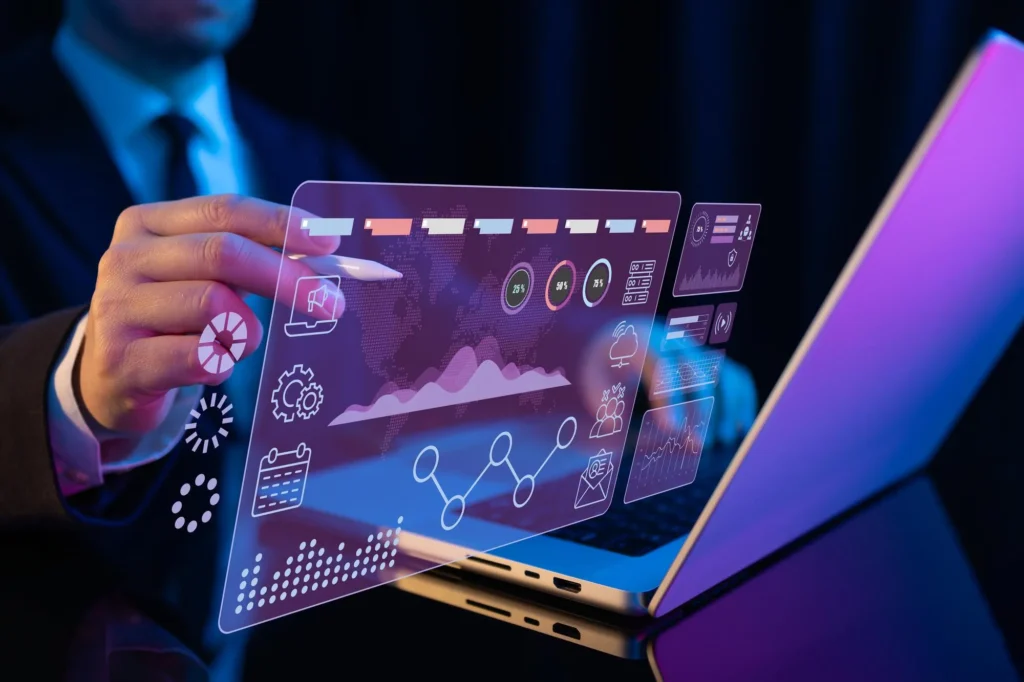
oRbotic Process Automation, or RPA, is revolutionizing how businesses operate. It involves using bots to mimic human actions like entering data, processing transactions, or generating reports without fatigue or mistakes. Unlike physical robots, RPA works behind the scenes in software, automating tasks across multiple applications. Enterprises worldwide are adopting RPA to cut costs and increase […]